
17th March 2007:
There’s so much speculation around the world about NiGHTS 2 at the moment, which means lots of people want to learn about the original game – brilliant! If you’re here from a link on a forum or just from browsing, I hope you feel welcome and enjoy reading about NiGHTS. Today I wrote another article responding to the NiGHTS 2 rumours, which you can read here.
All in all, thanks for coming and I hope you find NiGHTS interesting. If you have any questions I will do my best to answer!
 NiGHTS into Dreams Part one – the score system
First of all, I’m certainly guilty of not playing NiGHTS as much as I should. I have put a lot of time into it (at least £500’s worth, I would’ve thought), but I keep telling myself I should play it more often, considering how often I bore everyone to death talking about how brilliant it is. The thing is that it’s a game of such rare quality I feel in some danger of somehow spoiling it; it’s an indulgence. If it were a cake it would be one of those massively fattening chocolate cakes with more sugar than most people can stomach (this isn’t to say I’m better than anyone, by the way.) Something like that, anyway. NiGHTS is a treat in the true sense of the word and, although it has more play value than almost any other game it should still be reserved for special occasions. I’ve deliberately not called it replay value as that somewhat implies you’re repeating things, but with NiGHTS you’re moving ever forward, exploring and discovering with every play. That’s down to some design ideas which still strike me as genius to this day.
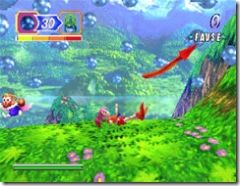 The most important aspect of the game is its drive towards improvement by way of score; this system is so well-balanced it lends itself to almost infinite possibilities (though not scores.) Every item is worth a certain amount of points until you release the Ideya – at this point you get a bonus relating to how many seconds you took, and from then on all points are worth double. Simple. When you collect two or more items in quick succession you get a Link bonus – the more items you connect, the higher the bonus. Even one or two extra Chips represent an achievement when added to a Link.
For example, a course might feature two sections containing ten items each. If taken separately, the player will get two Links of nine – if she or she is able to connect them (through Paralooping or an extra item found somewhere) that can become twenty or more, which is much more valuable. This is an extremely simple example – more common in NiGHTS is the use of “teaser” items which promise massive continuous Links “if only” they can be used as connectors. The first time the player successfully achieves that continuous Link forms the achievement/satisfaction stage – the player has proved his or her goal to be attainable, and often recognises the quality of the game design and the understanding of the player’s mind.
After this achievement has been repeated (even improved) a few times comes the “expectation” phase – the player has proved it can be done and now expects him or herself to achieve it the majority of times. Failure to do so often results in increased determination in the player, an incorporation of stage four. In other games such failure could easily lead to frustration and eventually rejection, but in NiGHTS the margin of success* (not error) is so slim that the player knows it would only take an incremental improvement to fulfil his or her expectations. Either way, the sense of satisfaction more than compensates for any frustration the player might feel at their incompetence; if it were so easy to achieve, the sense of pleasure would be considerably reduced.
The stage of expectation is shared with that of altered objectives – the player has demonstrated his or her first target is attainable, and so begins to conjure up other ways in which their score could be improved: getting to the Ideya Capture a second earlier, executing a tighter Paraloop to save more time. Again, the margin of success for these targets is often extremely slim, but a brilliant consequence is that these skills are transferable across all courses; there are familiar item layouts and sequences in many courses, resulting in similar opportunities for continuous Links and so forth. This creates a cogent, ever progressing score narrative* encapsulating the entire game – a high score in one dream is likely to enable you to improve in another and so on. In this manner, the levels are connected through the player’s development, not the plot’s; targets achieved influence the player’s expectations and confidence as well as their abilities and awareness of what is possible within the game.
I’ve tried to investigate and theorise the NiGHTS score system as best I can, but there have been inevitable omissions, particularly the boss multiplier system. What’s here, however, is (pretty much) most of what I think is important to NiGHTS’s score-improving ethos.
Margin of success – the distance between fulfilling and failing the desired objective. Score narrative – the progression and improvements the player makes in his or her score over the game’s lifetime.

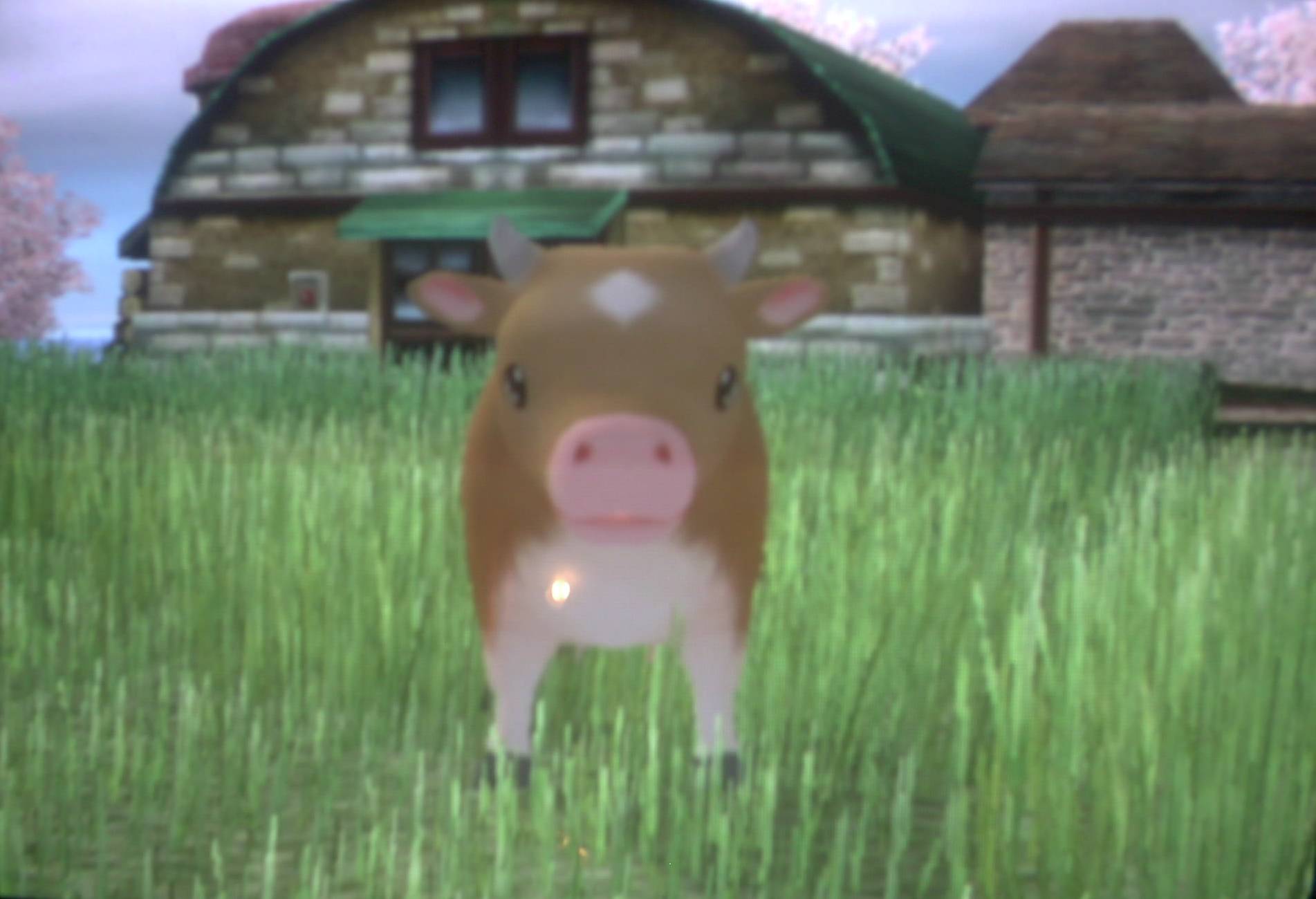 Woke up at half five to find Takakura taking Ella away. I’ll miss her, and I never even got a photo of her. Bye bye Ella.
 It’s my very favourite hedgehog’s 15th birthday today, and to celebrate I’ve made a very special Sonic design for the blog! It took me bloody ages so it might stay a while, but it’s my way of showing some love to Sonic.
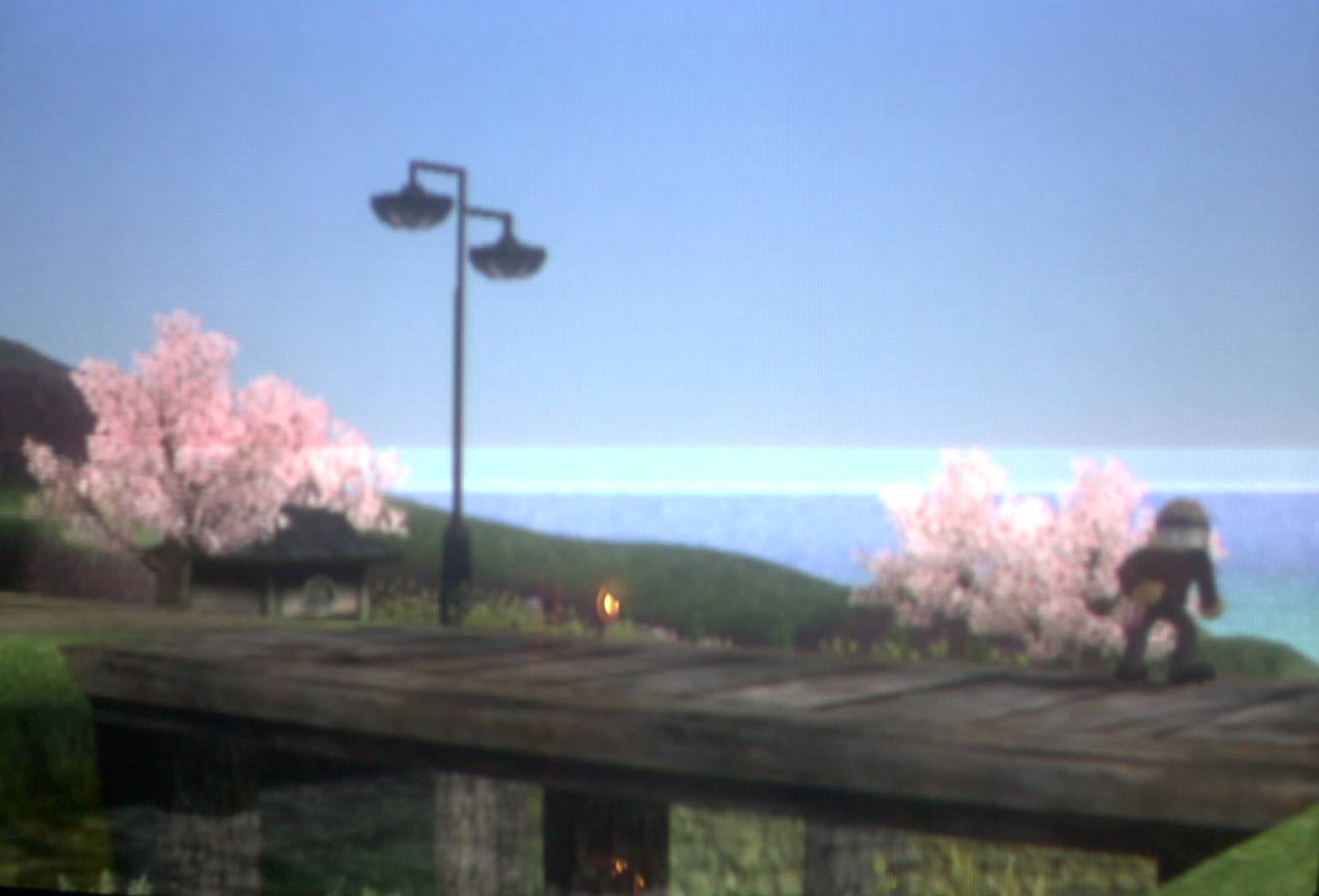 Forget-Me-Not Valley has changed quite a bit since my first year here. It’s still mostly the place I fell in love with, and even in as small and insular a place as this progress is inevitable. The saddest change this year was when we lost Nina. Poor Galen hasn’t been the same since, plodding around town and tending to Nina’s grave and memorial. I try to get through to him with polite conversation and crops and milk, but he doesn’t seem interested, just grumbling and fixing me with his glassy eyes. Sometimes he stands on the bridge and stares at the river flowing away to the sea. I worry about what he might be thinking… he must be so alone.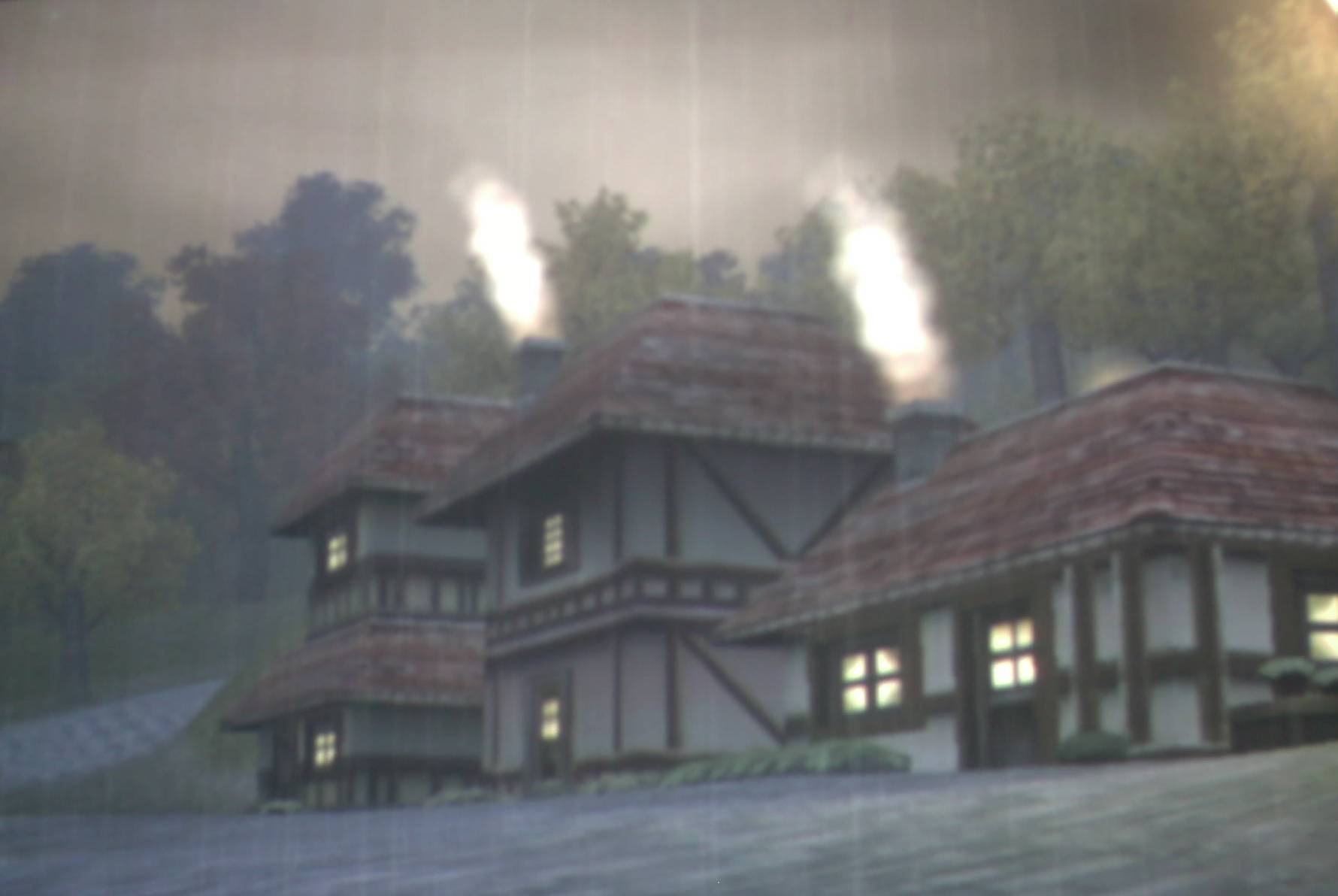
 My name is James Newton, and this is my website - a collection of my writings about
videogames, music and all my other thoughts.
My name is James Newton, and this is my website - a collection of my writings about
videogames, music and all my other thoughts.